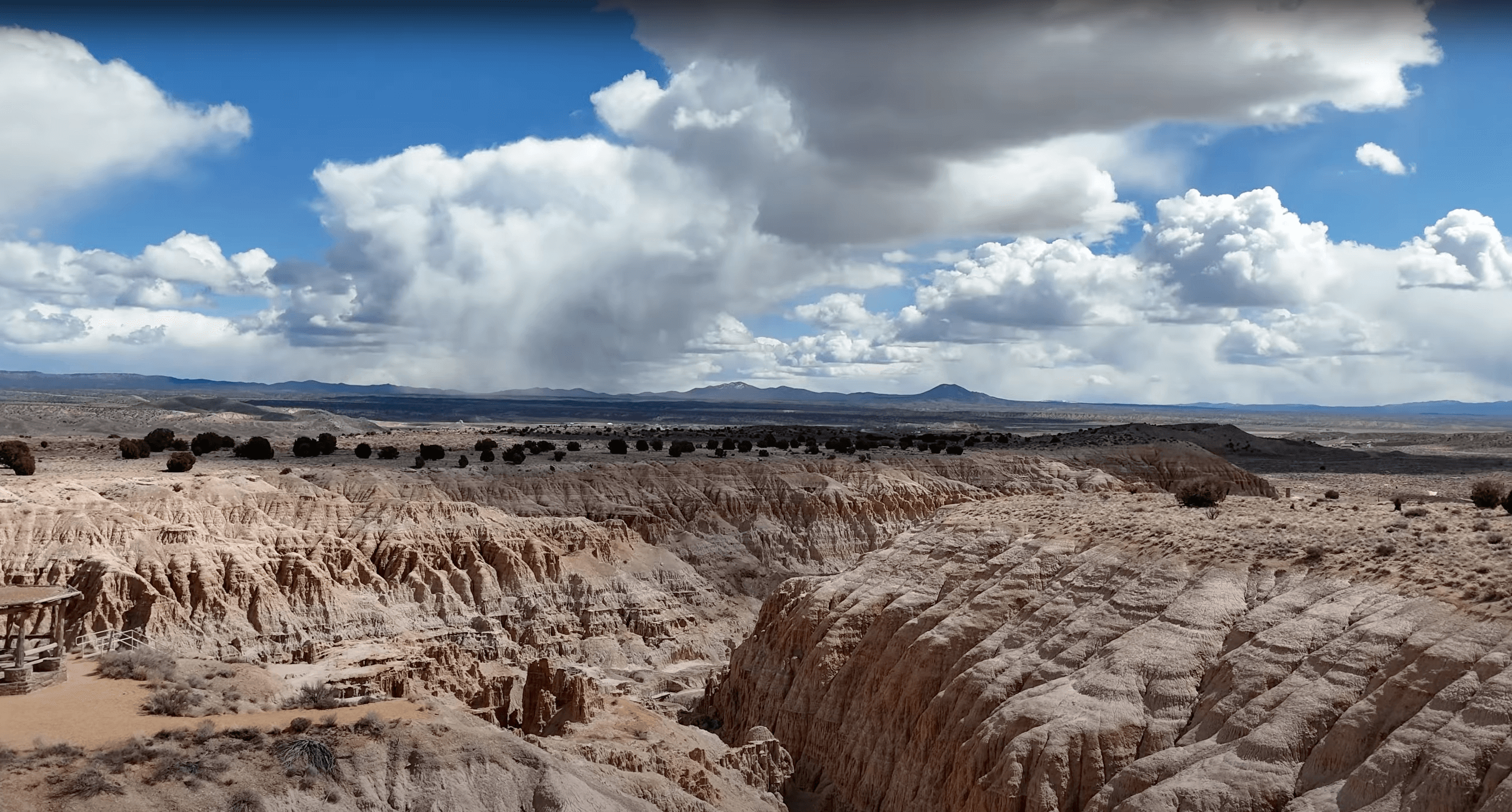
Valley of Fire State Park
P.O. Box 515
Overton, NV 89040
(702) 397-2088

vof@mvdsl.com

Best of Nevada logo    Valley of Fire State Park is located only six miles from Lake Mead and 55 miles northeast of Las Vegas via Interstate 15 and on exit 75. Valley of Fire is Nevada's oldest and largest state park, dedicated 1935. The valley derives its name from the red sandstone formations and the stark beauty of the Mojave Desert. Ancient trees and early man are represented throughout the park by areas of petrified wood and 3,000 year-old Indian petroglyph. Popular activities include camping, hiking, picnicking and photography. The park offers a full-scale visitor center with extensive interpretive displays. Several group use areas are also available. The park is open all year.


new"Playground of the Gods," photos of Valley of Fire taken by photographer Nicholas A. Price

newDownload Master Plan Questionnaire (word document)

red sandstone formation

blue arrowSee Map

blue arrowPark Brochure
to download


blue arrow2009 Fall Programs

blue arrow For frequency asked questions (FAQs) click here


Facilities & Amenities


Prehistory:

The Valley of Fire derives its name from red sandstone formations, formed from great shifting sand dunes during the age of dinosaurs, 150 million years ago. Complex uplifting and faulting of the region, followed by extensive erosion, have created the present landscape. Other important rock formations include limestones, shales, and conglomerates. Prehistoric users of the Valley of Fire included the Basket Maker people and later the Anasazi Pueblo farmers from the nearby fertile Moapa Valley. The span of approximate occupation has been dated from 300 B.C. to 1150 A.D. Their visits probably involved hunting, food gathering, and religious ceremonies, although scarcity of water would have limited the length of their stay. Fine examples of rock art left by these ancient peoples can be found at several sites within the park.

Climate

main entrance gate with snowcapped mountains in the backgroundWinters are mild with temperatures ranging from freezing to 75 degrees. Daily summer highs usually exceed 100 degrees, and may reach 120 degrees. Summer temperatures can vary widely from day to night. Average annual rainfall is four inches, coming in the form of light winter showers and summer thunderstorms. Spring and fall are the preferred seasons for visiting the Valley of Fire. Snow rarely falls at Valley of Fire as shown in this picture.

Nature

The area plant community is dominated by widely spaced creosote bush, burro bush, and brittle bush. Several cactus species, including beaver tail and cholla, are also common. The springtime bloom of such plants as the desert marigold, indigo bush, and desert mallow are often spectacular along park roads. Resident birds include the raven, house finch, sage sparrow, and roadrunner.  a coyote Many migrant birds also pass through the park. Most desert animals are nocturnal and not frequently seen by the passing motorist. Many species of lizards and snakes are common in the park, as well as the coyote, kit fox, spotted skunk, black tailed jack rabbit, and antelope ground squirrel. The desert tortoise is a rare species and is protected by state law. If you are lucky enough to come across one please leave this likable and harmless creature to live its life in peace in its own environment.

Facilities

Entrance Fee:  An entrance fee is charged to enter the park, with additional fee for camping. Current fees are posted at the park entrance. Click here for all individual park fees by region.

visitor center Visitor Information:  The visitor center provides exhibits on the geology, ecology, prehistory, and history of the park and the nearby region. It is strongly recommended that each visitor make this an early stop after entering the park. Postcards, books, and film are on sale for your convenience. Open daily, 8:30 a.m. to 4:30 p.m.

Camping: single campsiteAdditional fees are charged for the use of these areas and is payable at the campgrounds.  All campsites are first come, first serve. There are two campgrounds with a combined total of 73 units.  Campsites are equipped with shaded tables, grills, water, and restrooms. An additional fee is charged for the use of the area and is payable at the campground. A dump station and showers are available..

RV Camping: RV sites with power and water hookup are now available.  A $10 surcharge is added to the regular camping fee for the use of these sites.

Picnicking: Shaded areas with restrooms are located at Atlatl Rock, Seven Sisters, the Cabins, near Mouse's Tank trail head and White Domes.

Group Area: There are three group areas, each accommodating up to 45 persons. They are available for overnight camping and picnicking by reservation only. Advance reservations are required. For information call Valley of Fire State Park (702) 397-2088.

Hiking: Many intriguing hikes are available to visitors. Inquire at the visitor center for suggestions on day hikes of varying length and terrain.


Sites of interest:

Atlatl Rock Atlatl Rock:   Outstanding examples of ancient Indian rock art or petroglyphs, including a depiction of the atlatl (at'-lat-l), a notched stick used to throw primitive spears. The atlatl was a predecessor to the bow and arrow. The adjacent Atlatl Rock Campground provides a modern restroom and shower building.

Arch Rock:   Near Atlatl Rock Campground is the more primitive Arch Rock Campground with its more secluded campsites. A two-mile scenic loop road provides views of some of the Valley's most interesting rock formations, such as Arch Rock and Piano Rock.

Enterprise rock formation beehives rock formation Beehives: Unusual sandstone formations weathered by the eroding forces of wind and water. Nearby are three group camping areas, available by reservation only.

Cabins:  Now a picnic area, these historic stone cabins were built with native sandstone by the CCC (Civilian Conservation Corps) in the 1930's as a shelter for passing travelers.

Clark Memorial:   Historic monument honors a pioneer traveler.

elephant rock formation
Elephant Rock is accessible via a short trail.

Fire Canyon/Silica Dome:   From this vantage point there is an excellent view of the deep red sandstone of Fire Canyon, and the unique geological features of Silica Dome.

Mouse's Tank:   Named for a renegade Indian who used the area as a hideout in the 1890's. Mouse's Tank is a natural basin in the rock where water collects after rainfalls, sometimes remaining for months. A half-mile round trip trail leads to Mouse's Tank from the trail head parking area, passing numerous examples of prehistoric Indian petroglyphs.

Petrified Logs:   Logs and stumps washed into the area from an ancient forest about 225 million years ago are exposed in two locations.

rainbow Seven Sisters Rock FormationRainbow Vista:  A favorite photo point with a panoramic view of multicolored sandstone.

Seven Sisters:  Fascinating red rock formations are easily accessible from the road. Picnic areas provide a relaxing stop during your Valley tour.
White Domes:   Sandstone formations with brilliant contrasting colors; picnic area and trail head. White Domes is an eleven-mile (17.7 km) round trip drive from the Visitor Center. Duck Rock is a short hike away.


Reminders:

The Desert Is Extremely Fragile! Thoughtless motorists and others who have abused the area in the past have left scars. It will take centuries for nature to restore this desert area to its original condition. To protect the desert and ensure the safety of others, we have the following rules:

  1. Drive your vehicle only on approved routes of travel (see map), and park only in designated places along the roadside shoulders. Motor vehicles are not allowed on trails.
  2. Camp only in designated campground sites.
  3. Fires permitted only in designated grills and fireplaces.
  4. All plants, animals, rock, and mineral materials are protected by state law. Please do not remove or disturb.
  5. Pets are welcome, but they must be kept on a leash of not more than six feet in length. They are not allowed in the visitor center.
  6. All artifacts and other signs of Indian civilization are protected by state and federal law.
  7. Please conserve the water provided for your convenience.
  8. Please be careful with your litter. Use the trash containers provided.
  9. Check at Visitor Center for information regarding professional photography use of Nevada State Parks.
  10. Weddings require a permit. Contact the park for additional information.
Nearby Points of Interest

Lake Mead National Recreation Area borders the park and encompasses Lakes Mead and Mojave. Many areas are available for camping, picnicking, swimming, fishing, and boating.
Lost City Museum in Overton offers fine displays of Indian artifacts and reconstruction of the original pit dwellings and pueblo found in the Moapa Valley. Hoover Dam: The engineering wonder spans Black Canyon, drawing hydro-electric power from the force of the Colorado River. Tours are available daily.

Back to State Parks
Image Map


Back to State Parks
Home Page