|
|
Spring Valley State Park
Star Route, Box 201 Pioche, NV 89043 (775) 962-5102 springvalley1@lcturbonet.com Spring Valley State Park offers water oriented recreation at the 65 acre Eagle Valley Reservoir. Boat launching, picnicking and camping facilities are available. Visitors also enjoy hiking, exploring and touring the historic Ranch House museum. The park is located 20 miles east of Pioche via State Route 322. Spring Valley State Park is open all year, although snow may make winter access difficult.
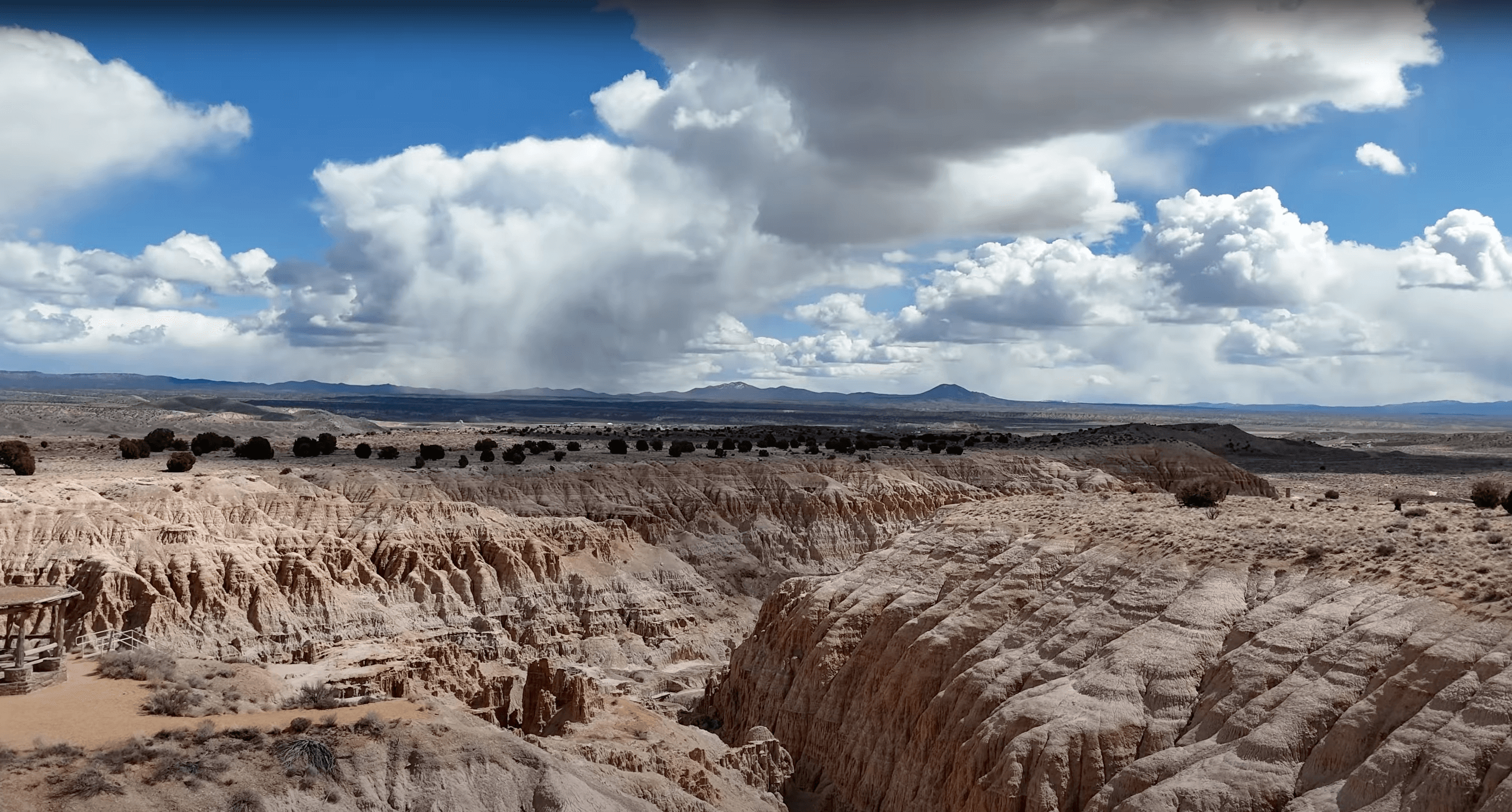
Park Origin and History: Archaeologists believe this area was occupied as long ago as 5,500 BC. However, without evidence of any permanent dwellings, it appears the area was used for seasonal hunting and gathering. An early Indian camp area appears to have been located in Eagle Valley. The large rock outcrop near the center of the valley, known to many as George Washington Rock, may have been used as a look-out for these native peoples. It is important for all visitors to know that State and Federal laws protect all artifacts and rock art. They should be left undisturbed for future generations to enjoy. Mormon pioneers settled this part of Eastern Nevada in 1864. A number of ranch buildings from the late 19th century still exist in the park, including those of the Rice Ranch, Millet Ranch and others. Today the Millet Ranch is used as the park headquarters. Agriculture continues to be an important factor in Lincoln County's economy, and was the reason for the construction of Eagle Valley Dam in 1965. The reservoir, located at the southern end of Spring Valley, was named for Eagle Valley where the town of Ursine is located. The state park was subsequently designated in 1969 and today is comprised of 1,281 acres. Natural Resources: Spring Valley is situated at the upper end of Meadow Valley Wash. The wash is comprised of a number of valleys trending north-south through Lincoln and Clark Counties. Emptying into the Muddy River near Moapa in Clark County, Meadow Valley Wash eventually reaches Lake Mead near Overton. Although part of the Colorado River watershed, the park's environment is typical of the Great Basin desert and riparian life zones. The reservoir attracts a variety of waterfowl and shore birds including mallards, teals, herons, avocets and the infrequent yet beautiful trumpeter swan. Eagles, hawks, songbirds, ravens, and road runners inhabit the canyons and valleys. Common animals include squirrels, cottontails, jack rabbits, coyotes, deer, skunks and an occasional bobcat. Several species of lizards and snakes also inhabit the park. Vegetation communities vary throughout the park, depending upon elevation, precipitation, soils, and slope. The most common community is pinyon pine, Utah juniper, and big sagebrush. The flood plains support rabbit brush, big sagebrush and several grasses. In the meadows, springs and streams, cattails, sedges and grasses are common. One of the largest geologic formations within Spring Valley is volcanic tuff and tuffaceous sediment of Tertiary age. These rocks are found along the hillsides, upstream from the reservoir. They give a dramatic backdrop to the park where light-gray, pinkish or white outcrops are exposed. Eroded from the hillsides, sediments have been brought down Meadow Valley Wash to form the deep alluvium of the valley. Evidence of older lake bed deposits suggest that Spring Valley was once inundated by a lake during the middle Pliocene and early Pleistocene when the climate may have been much wetter than today. Location and Climate: Spring Valley State Park is located 18 miles northeast of Pioche on State Route 322. The elevation of the reservoir is 5,836'. The climate of the area is arid, with hot summers and cold winters. Summer temperatures range from 85°F at midday to 45°F at night. Rainfall is variable and thunderstorms are common. Although open year-round, visitors should be aware of colder winter temperatures and snow. Facilities: Entrance Fee: An entrance fee is charged to enter the park, with additional fee for camping and boat launching. Current fees are posted at the park entrance. Click here for all individual park fees by region. Eagle Valley Reservoir: Eagle Valley Reservoir is the primary attraction at Spring Valley State Park. The 59-acre reservoir is currently managed as a put-and-take sport fishery. Rainbow trout is the primary species. Boat launch: Located on the south shore of the reservoir adjacent to the Day Use Picnic Area. A ramp, dock and temporary docking slips are available. Trails: A developed trail connects the Stone Cabin and Ranch Campground. Walks around the reservoir are popular and allow terrific views of the valley. Camping: Horsethief Gulch Campground (main campground) is located just west of Eagle Valley Reservoir. It has 36 campsites (each with table, grill and shade ramada) and 3 restrooms-one with showers. Water is also available. Ranch Campground is located two miles north of the main campground. This facility has 6 campsites with table and grill. Water and primitive restrooms are available. Picnicking: The Day Use Picnic Area is located adjacent to the boat launch at the reservoir. It includes 12 picnic sites (each with table and grill), a restroom and fish cleaning station. Group Area: Day and overnight groups are accommodated at the south end of the reservoir. Reservations should be made in advance. Reminders: The fragile desert environment requires many years for nature to restore once the soil and vegetation are damaged. Rules have been established for your safety and the protection of the environment. To make your visit and the visits of others more enjoyable, please observe the following:
You are responsible for knowing all park rules and regulations in effect. Detailed rules and regulations are posted in the park.
|